Nonspeaking Learners can often face barriers to accessing traditional instruction. Floreo's virtual reality provides safe and repeatable experiences that can eliminate much of the distraction and emphasize cues in the environment to help these Learners develop new social, communication, and life skills. As VR adoption grows in education and therapy settings, its potential to support nonspeaking kids and adults is clear. In this spirit, Floreo's content for these individuals continues to grow.
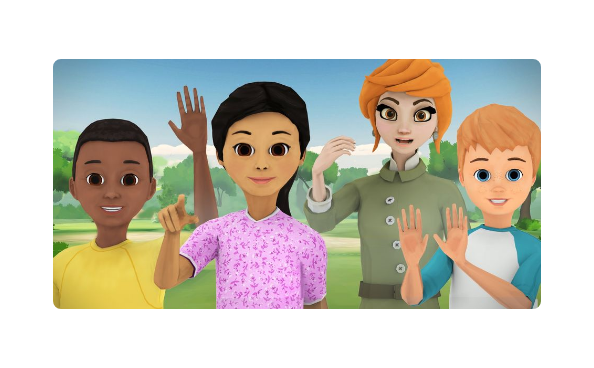
The lessons in the "Early Social Communication" skill category focus on using some of our earliest-developing, deliberate communication methods to interact with others: eye gaze and gestures. This skill category also includes imitation, a skill that is critical for early learning. The lessons use simple and engaging scenes for Learners to practice these skills. Among these 22 lessons you will find: Get Emma's Attention, Look & Find 360, Be a Copy Hero, Stop & Go with the Giraffes, and more. A couple of these lessons are designed for Learners with emerging spoken language skills.
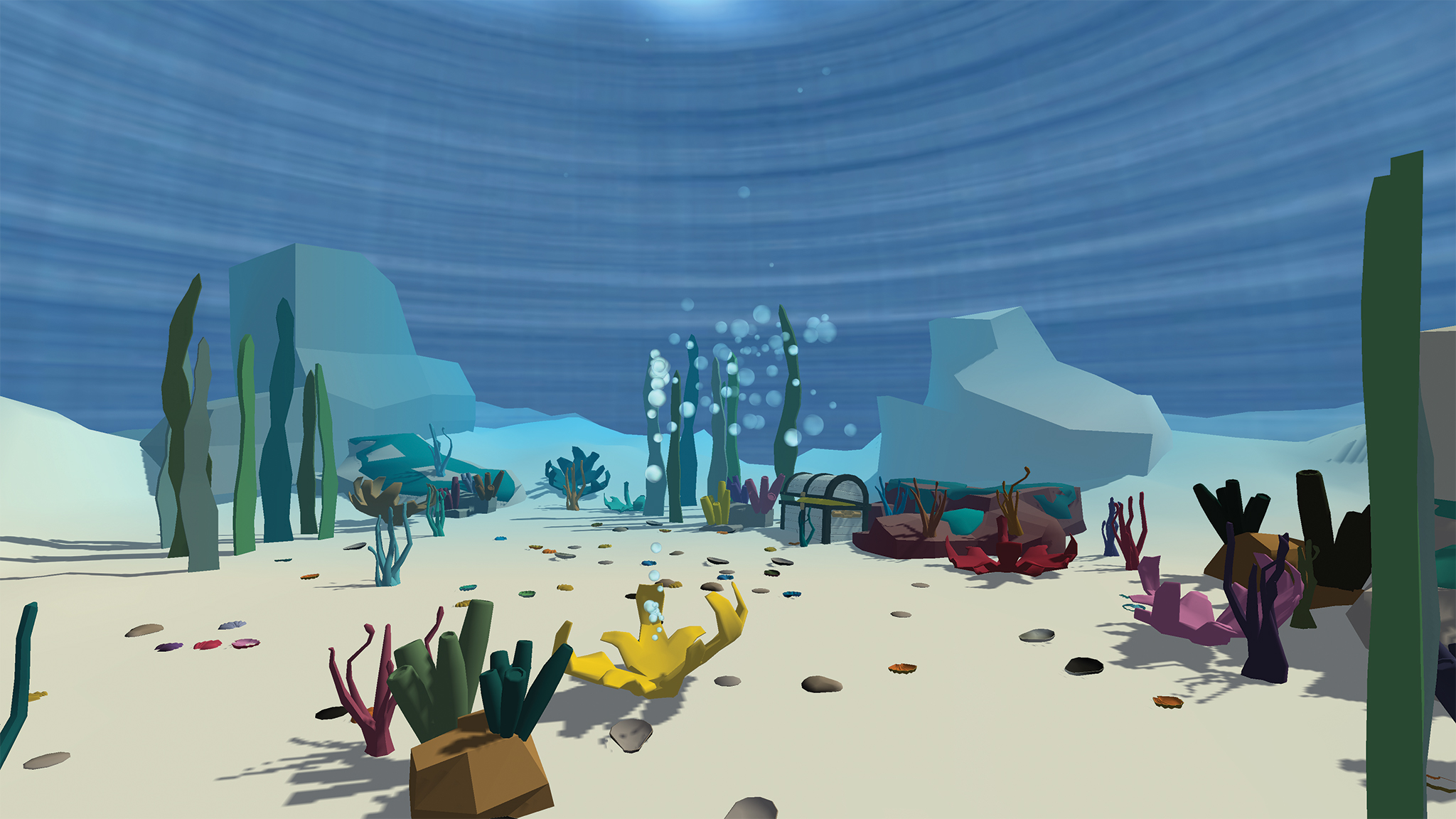
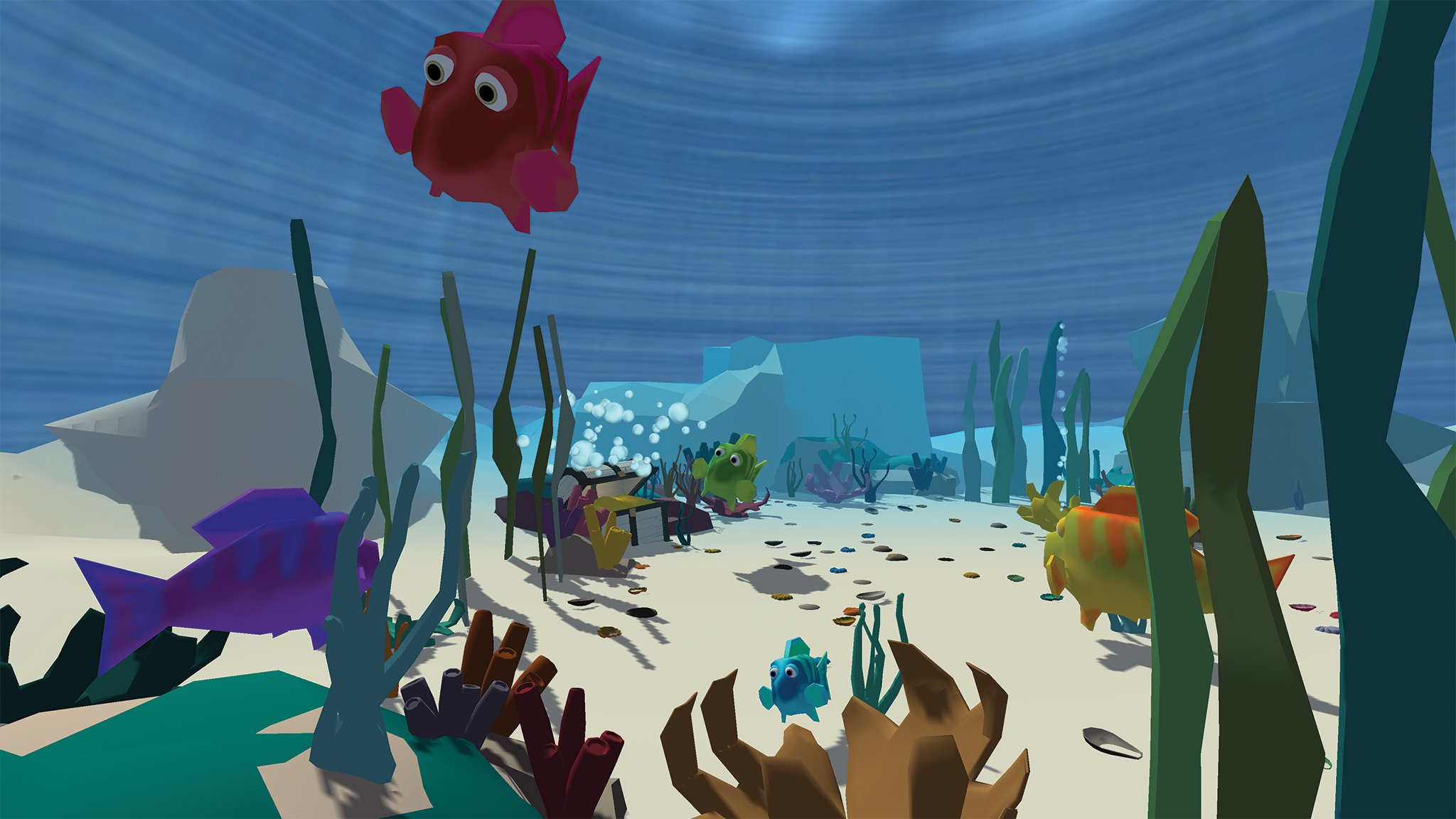
Nonspeaking Learners can access most, if not all, of the sensory experiences in the Emotional Regulation Skill Category. They include either mostly passive experiences (Hang Out in the Aquarium and Snowfall) and mildly interactive experiences (Watch the Train, Play the Marimba , Find the Fish, and Calming Reminders in the Crystal Cave). Depending on the Learner's listening comprehension skills, and their ability to follow directions, nonspeaking Learners may also benefit from breathing/body awareness experiences: (Breathing Train, Crystal Cave, Yoga Poses and Peaceful Painting). The guided meditation and guided focus lessons (Guided Meditation: Sitting in the Snowfall , Guided Meditation: Sitting in the Aquarium and Guided Focus for Body Relaxation) use more sophisticated language presented as a voice-over and may be beneficial for Learners with limited expressive speech. Finally, Relaxed Ride with Alejandro helps individuals practice using relaxation strategies while riding in a car and does not require that the Learner use speech to communicate during the lesson.
There are 9 street crossing lessons, 8 of which do not require expressive language skills. Among these lessons are: Check for Cars, Lucky Corner, Driver Wave, and Neighborhood Crosswalk. (The lesson Cross the Street by Yourself asks that the Learner describe what will happen next, but those steps may be skipped by Coaches working with nonspeaking Learners.) Other community-based lessons, such as Find Your Bus: This is Your Bus, and Orienting to the Grocery Store give Learners access to a virtual community that can help them prepare to navigate their own communities.
The Spatial Concept lessons are built for individuals with communication delays or deficits. These include: Spatial Concepts: Up & Down, Spatial Concepts: In & Out, Spatial Concepts: Left & Right, and Spatial Concepts: Where is the Train?
Floreo has built a series of five lessons that target following directions of increasing length and complexity. The titles of these lessons all begin with the phrase, “Listen and Find”. They start with simple directions such as "Find the elephant." The easiest of these is: Listen & Find: 1 Animal, by Name. If individuals have enough receptive language, they may be able to work their way up to the 5th lesson in the series: Listen & Find: 2 Animals by Feature.
There are over 30 VR learning experiences that introduce animals and nature and may be appropriate for nonspeaking individuals, either as a listening comprehension activity or as a leisure activity. Here are links to just a few of these lessons: Chimp, Dolphin, Iguana, Koala, Lion, Orangutan, Sea Turtle, Sloth, Sperm Whale, Asian Water Monitor, Lemur, Rhinoceros. Arcadia, Beaver, Giants of The Sea, Elephant
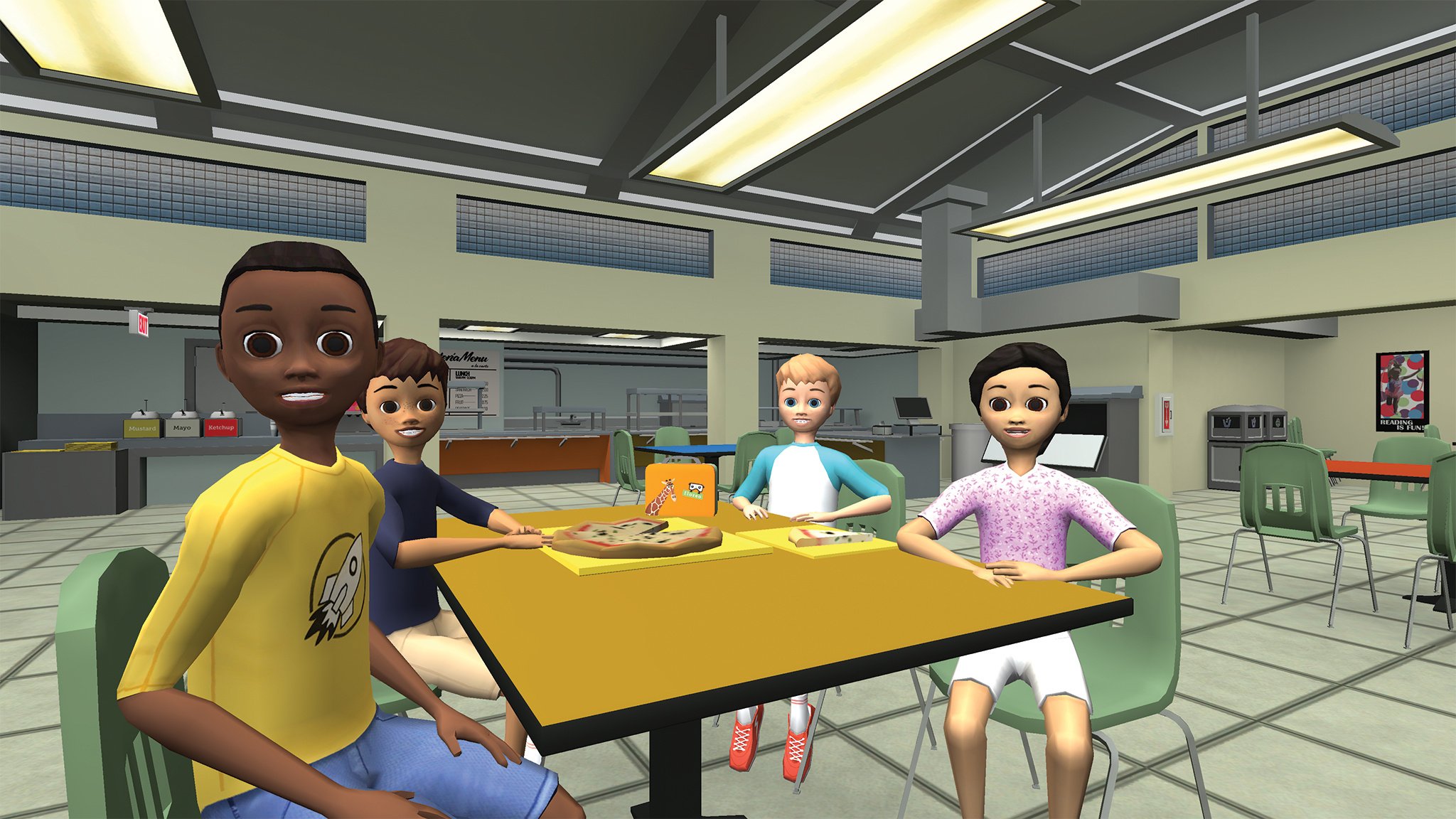
Depending on the individual's listening comprehension and/or reading comprehension, other lessons may be able to be completed by nonspeaking Learners as well. In addition, many of the other lessons can be adapted for use by nonspeaking individuals. Users of AAC may be able to use the greetings or conversation-based lessons if they tip the headset up briefly, engage their personal AAC device, and then return to VR to continue the interaction. Some Quest headsets (Quest 3, 3s, and Pro) allow for a passthrough feature that Floreo has built into the VR experience so that the individual's AAC device can be visible without lifting the headset. Floreo is committed to making sure that VR lessons are accessible to all who can benefit from them.